Transpersonal Psychotherapy Counselling - 2 years Curriculum & Syllabus
TP Psychotherapy Counselling Curriculum Overview
Overview: The 2-year Transpersonal (TP) Psychotherapy Counselling program includes the one year TP psychology coaching program, then builds to take students deeper into psychodynamic/ analytic content, transpersonal methodology & personal practice (PiP). The TP counselling course repeats the monthly structure of the Chakras & elements and builds techniques that develop the depth and personal style/approach for each emerging TP psychotherapy counsellor.
Structured over 24 live and 83 weekly online sessions over two years, students build knowledge and resilience, becoming not only powerful TP psychology coaches but, with further skill & maturity, as experienced transpersonal psychotherapy counsellors. Below are the curriculum learning pillars of the program:
Learn by Experience: The learn-by-doing approach trains students interactively with live, in-the-room content, practices, partner & group work. Special emphasis is placed on felt, somatic experience, whereby learning content is experienced and then interactively practiced with to evolve maps of meaning & relating. For the TP psychotherapy counselling second year, fundamental components of the first year's material are deepened through repetition & intensity working with Gestalt, Parts & shadow-work.
Self-Mastery: Both one-to-one transpersonal therapy and personal integral practice (PiP) are required for the TP psychology coaching and counselling courses. Self-observation, inquiry & shadow work, within a supported reparenting process, provide one example of the structure & adjoined tools for Self-mastery. Self-mastery allows students to attune to themselves as a platform for their client's unique unfolding processes.
Customised Approaches: Our TP counsellors are equipped & encouraged to personalise their own approach to working with their clients. Anchored in their personal integrated practices (PiP), and drawing from selected techniques & interventions, our TP counsellors are encouraged to trust their insights & instincts, and to refine what works best for their own client-counsellor applications.
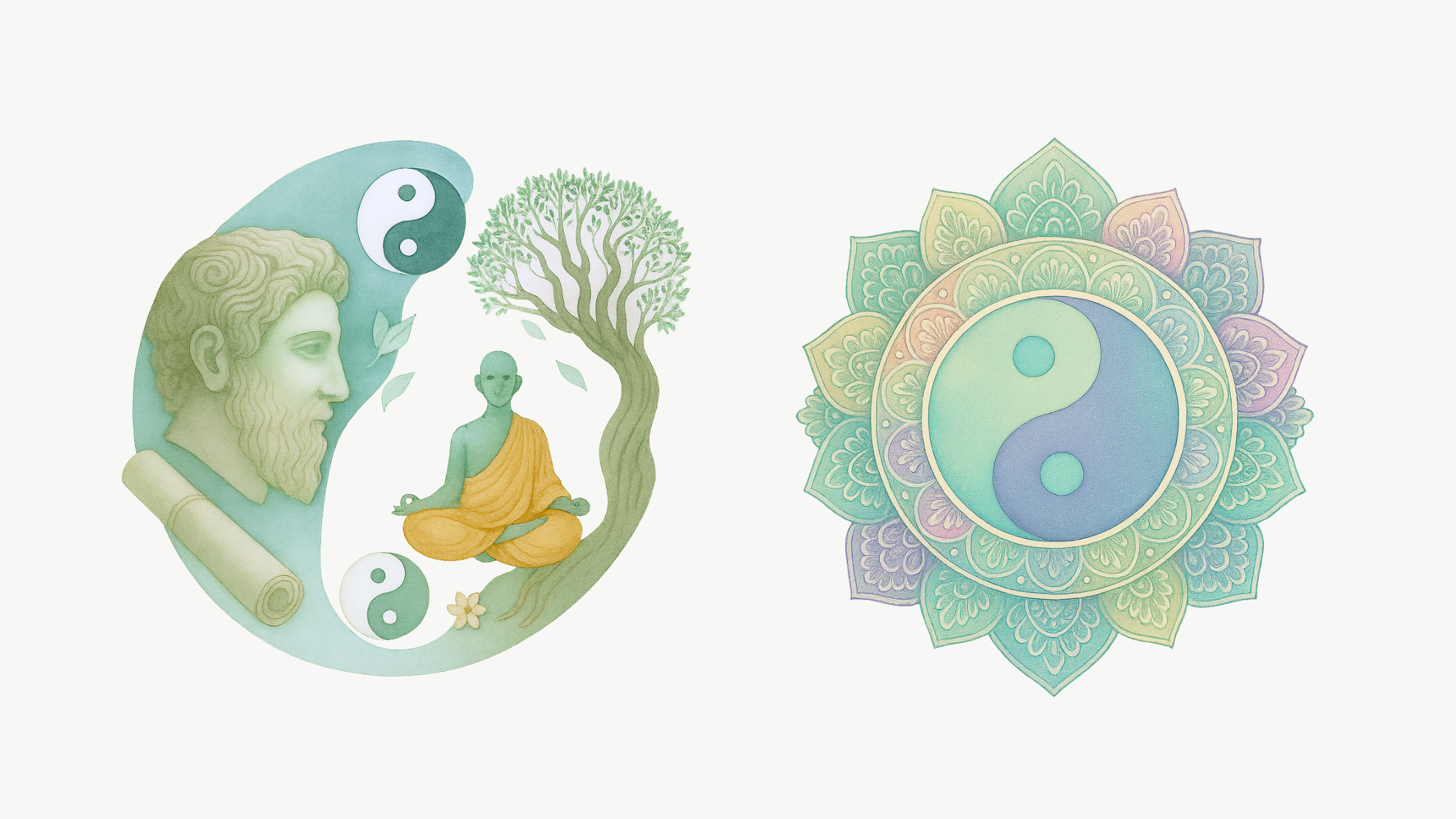
Multi-Dimensional: tp-Institute's cross-pollinates theory and content of Eastern philosophy & discipline with Western Transpersonal depth psychology and process work. The Tantric Chakras and their elements provide an archetypal framework of healing & transformation, which coincides with the Jungian theories of the unconscious and processes of individuation. Eastern Yogic & Taoist philosophy coincide with the perspectives of Western contemporary philosophy. Humanistic coaching approaches of Carl Rogers will be supported by key contemporary transpersonal tools, techniques and interventions. The TP counselling second year expands deeper into family systems & constellations theories as well as in-depth archetypal, complex & shadow-work models and processes.
Trained and Qualified Differently: Most healing professionals are trained largely academically, some schools offering more in-depth & 5-year experiential/ embodiment programs. At tp-Institute, the intention has been to create a TP Counselling program that creates the greatest impact, as swiftly as possible, from the deepest sources—namely, each student's independent healing & development. Students emerge with greater inner integration, felt personal power & certainty, creating the highest-calibre transpersonal psychology coaches & counsellors.
Sample of Core Curriculum Subjects:
- Opening to becoming a TP Healing Counsellor
- Deepening Theories of Energy Healing
- Deepening Theory of Transpersonal (TP) Healing
- Deepening Somatic Mapping & Awareness: Energy-Balancing Techniques
- Deepening Chakra Archetypal Theory & Healing Process
- Deepening Elemental Archetypal Theory & Healing Process
- Deepening Jungian Personality Typology in relation to the Elements: Ether, Air, Fire, Water, Earth
- Working with Energy Therapeutically: Client, Counsellor, and Self
- Carl Rogers – 3 Principles of Humanistic Counselling
- Influences, Strengths, and Differences of Transpersonal & Jungian Counselling
- Ethics, Holding Space, Safety, and Protocols in TP Counselling
- Deepening TP Counselling Interventions and Techniques: Archetypal Parts Integration (API), Integrated Healing Therapy (IHT), and Core Belief Reprogramming (CBR), Emotional Freedom Technique (EFT), Family Constellation Tracing (FCT).
- Parts Work: Discovery, Relating, and Integrating
- Deepening Personal Integrated Practice (PiP), Theory & Assessment
- Triad Transpersonal Counselling Practice and Supervision
Syllabus Overview
Overview of syllabus: In summary, the essence of the TP psychotherapy counselling syllabus is to combine Eastern philosophy and practice with Western depth psychology, together with selected and personalised therapeutic TP counselling techniques that effectively transform clients within a transpersonal, transcendent process.
The learning structure is 24 "live" weekends and 83 week day lectures online, over 23 months of study, including 450 hours of content and 450 hours of triad practice & supervision. The first year specialised focus of study includes TP coaching protocols, ethics, boundaries, and transference/counter transference. The second year will further include developmental models including family/ancestry systems theory, parental dynamics & introjects, codependency, child de-Selfing and systemic archetypal programming.
Learning Structure: Each live weekend will be structured into two distinct segments. On Saturdays we will be examining two key theoretical subject areas of learning, one in the morning and one in the afternoon. At the beginning and conclusion of each day, there will be experiential, personal integral practices (PiP), inquiry work, and inner-work disciplines consisting of chakra meditations, yogic somatic practices, and pranayama (breathwork). Practices are udertaken either individually or in partnered formats. The Sunday structure will again include personal practice and some review of content; however, it will be largely comprised of coaching practice in triads (student-client-observer), with group and independent supervision.
Learning Content: The specific topics studied will be the coaching and counselling approaches of Carl Rogers, the transcendent eastern model of the Tantric Chakras and their Elements, and the Archetypal Individuation and actualisation theories of Carl Jung. Students will follow a transpersonal psychology process that acknowledges the first 3 layers of Western psychology (Psychodynamic, Cognitive-Behavioural and Humanistic) and goes further into lived, noetic experiences of the transcendent Self. The transpersonal (TP) layer will bridge and connect East & West philosophy and theory together, providing a container for effective and holistic client-coaching approaches. Strong emphasis will be placed on reflection and assimilation of personal integral practices (PiP), pioneered by transpersonal psychologists Sutich & Leonard, with attention to visceral experience, which becomes a foundation for Self mastery and attunment for a client-centric process.
In the counselling program, students will go deeper into personal shadow and Gestalt and parts work, as pioneered by Fitz Pearls and Robert Schartz, which relate to their sub-personalities and are focused towards parental archetypes within their family system of origin. To support this, there will also be content and techniques from Transactional Analysis techniques, as pioneered by Eric Berne, as well as the family systems theories (IFS), pioneered by Murray Bowen. Additional content will include family constellation theme work, pioneered by Bert Hellinger and Mark Wolynn.
As students unfold their process in the second year of the TP Counselling program, the focus will be on integrating parts of the constellated Self, with particular attention to self-love, embodiment, sexuality/expression, identity, and power as part of Self and within relationships. All further in-depth experience, practice, and intervention will be routinely discussed & shared in partnered and group settings, with guided qualified support and supervision.
- Codependence & Agency
- Family Systems Theory & Its Archetypes
- Family Archetypes & Parental Introjects
- Deepening Personal Shadow Work & Integration
- Gestalt & Parts Work: Discovery, Exploration, Intervention
- Integrating our Sub Personalities & The Self
- Jungian Archetypal Integration: Anima & Animus
- Deepening Internal Parts Development: Including self-love, inner child, and inner critic
- Deepening East-West Philosophy Implications and Interventions
Evaluation & Accreditation: Students will have two assignments following each "live" weekend and two shorter reflective assignments to consolidate the weekly online lectures. Journalling and personal integrating practice (PiP) monitoring will be an ongoing reflection requirement. To graduate and to become accredited with IACTM, Zurich (TBC), students will complete 450 hours of lectures and content, as well as 450 hours of TP coaching practice placement (real coaching sessions). Of these 450 hours of TP coaching practice, students will be required to complete 112.5 hours of guided supervision. For assignments, students will be required to write two extended-length essays and complete three client case studies. More information can be found by pressing the "Syllabus In Depth" button below.
Course Core Competencies:
- Values & Attitudes
- Interpersonal Skills
- Into-personal Development
- Transpersonal Development
- Professionalism
- Generalised: Approaches, facilitation, intuition, accountability & resource